📖 8 min read
Chennai, the capital of Tamil Nadu and India’s fourth-largest city with a population of over 11 million, is a market built on value-conscious spending and practical purchasing habits. Chennai’s consumers are famously discerning — they demand quality but refuse to overpay, making the INR 99 store concept a natural fit for this city. With a stable economy anchored by automobile manufacturing, IT services, and a thriving port, Chennai offers a dependable consumer base and one of the most cost-effective environments in India for launching a value retail business.
- Chennai’s value-conscious consumers actively seek affordable, quality products — ideal for the INR 99 model.
- Prime locations like T. Nagar, Anna Nagar, and Velachery offer strong foot traffic at reasonable rents.
- Total investment ranges from ₹5,50,000 to ₹10,00,000, among the lowest of India’s major metros.
- Chennai port is the closest major Indian port to China — sea freight arrives in just 12–15 days.
- Chennai Corporation trade license, Tamil Nadu Shop & Establishment registration, GST, and an IEC are required.
Why Chennai Is a Great Market for an INR 99 Store
Chennai’s consumer culture is defined by pragmatism. Unlike cities where impulse buying and brand consciousness dominate, Chennai shoppers evaluate purchases carefully and prioritise utility over flash. This might sound like a challenge for retail, but it is actually a tremendous advantage for INR 99 stores. When every item in your store costs just ₹99, the purchase decision becomes effortless — customers know exactly what they are spending, there is no haggling, and the perceived value is immediately obvious. Chennai shoppers, once they discover a reliable INR 99 store, become fiercely loyal repeat customers.
The city’s demographic profile supports consistent demand. Chennai has a large population of middle-class families living in established residential areas across South, West, and North Chennai. These households drive steady demand for kitchen essentials, cleaning supplies, storage solutions, and bathroom accessories. The IT corridor along the Old Mahabalipuram Road (OMR) — often called the IT Expressway — has also brought a younger, migrant professional population to the city, adding a second customer segment that values convenience and affordability in equal measure.
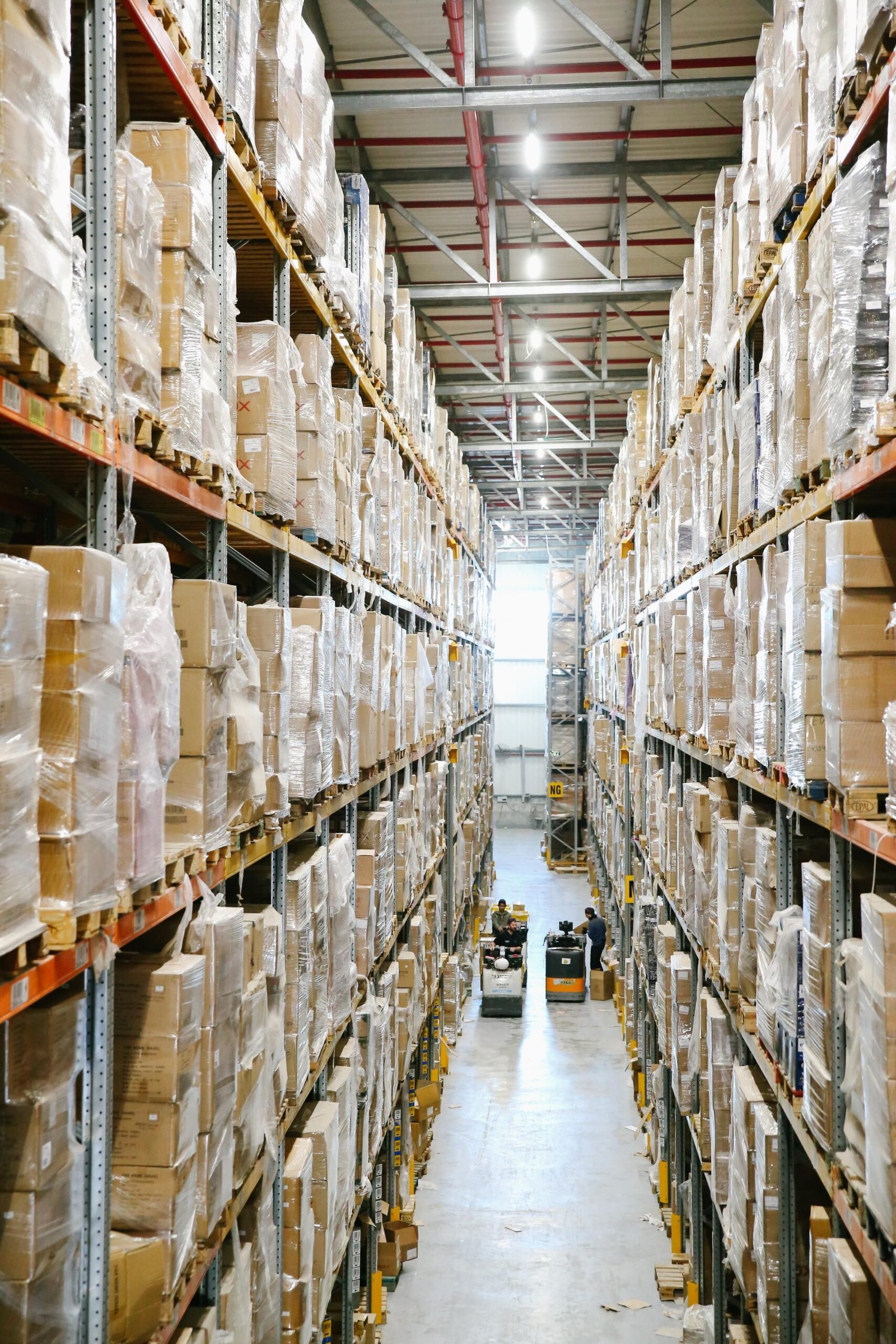
From a logistics standpoint, Chennai holds a unique advantage over every other Indian city for import-based retail. Chennai port (Ennore and Kamarajar ports) is the closest major Indian port to East Asian shipping routes. Containers from Chinese ports like Ningbo and Shanghai arrive at Chennai in just 12–15 days — faster than any other major Indian city. This shorter transit time means lower shipping costs, fresher inventory cycles, and faster restocking. For an INR 99 store that depends on regular imports from Yiwu, this logistical edge translates directly into better margins and operational efficiency.
Best Locations to Open Your Store in Chennai
T. Nagar (Thyagaraya Nagar) is Chennai’s undisputed shopping capital. Ranganathan Street and Usman Road draw millions of shoppers annually, and even a small 200–300 square foot shop here can generate extraordinary sales volumes. Rents in T. Nagar range from ₹80–₹200 per square foot per month — the high end of Chennai’s market, but justified by unmatched foot traffic. Anna Nagar, in West Chennai, is one of the city’s most affluent and well-planned residential areas. Commercial spaces along 2nd Avenue and the Anna Nagar Tower area cost ₹60–₹150 per square foot, attracting a mix of families and young professionals from the surrounding localities.
Velachery, in South Chennai, has transformed into a major commercial hub over the past decade, driven by its proximity to the IT corridor and excellent metro connectivity. Rents here range from ₹45–₹110 per square foot, making it one of the best value-for-money locations in the city. Porur y Vadapalani in the western corridor offer good commercial visibility at ₹40–₹100 per square foot, with access to large residential catchments. Tambaram y Chromepet in the southern suburbs are ideal for budget-conscious entrepreneurs, with rents as low as ₹30–₹75 per square foot and a dense population of middle-class families who are the core target audience for INR 99 stores. Along the OMR IT corridor, areas near Sholinganallur y Thoraipakkam offer emerging commercial spaces at ₹40–₹90 per square foot, catering to the tech professional demographic.
Startup Costs and Investment Breakdown
| Expense Category | Estimated Cost (INR) |
|---|---|
| Shop Rent (first 3 months deposit) | ₹54,000–₹1,80,000 |
| Interior Setup & Shelving | ₹1,50,000–₹2,50,000 |
| Initial Inventory (from China) | ₹3,00,000–₹5,00,000 |
| Licenses & Registration | ₹15,000–₹30,000 |
| Signage & Branding | ₹30,000–₹50,000 |
| Working Capital (first 3 months) | ₹1,00,000–₹2,00,000 |
| Total Estimated Investment | ₹5,49,000–₹10,10,000 |
Chennai offers some of the most affordable startup economics among India’s major metros. Commercial rents are 40–60% lower than Mumbai, and even prime areas like T. Nagar remain more affordable than equivalent locations in Delhi or Bangalore. Most Chennai landlords require a 3-month security deposit for commercial properties, though 6-month deposits are common in high-demand areas like T. Nagar and Anna Nagar. Interior setup can be sourced cost-effectively from Ambattur Industrial Estate and Guindy, where fabrication shops produce modular shelving and display units at competitive rates. Bilingual signage (English and Tamil) is recommended to appeal to Chennai’s diverse customer base.
Licenses and Permits Required
To operate a retail store in Chennai, you will need a trade license from the Greater Chennai Corporation (GCC). This can be applied for at your zone’s GCC office or online, and costs ₹2,000–₹5,000 depending on your shop’s area. GST registration is mandatory and can be completed online within 7 days. You must also register under the Tamil Nadu Shops and Establishments Act, 1947, which governs working hours, rest intervals, holidays, and employment conditions. This registration is handled through the Tamil Nadu Labour Department and is typically processed within 10–15 days.
For importing products from China, you will need an Import Export Code (IEC) from the DGFT — the registration is free and completed online in 3–5 working days. If you plan to stock packaged food items such as snacks, instant noodles, or beverages, an FSSAI registration is mandatory. Tamil Nadu also requires a professional tax registration if you hire employees. One important consideration for Chennai: signage regulations under the GCC are relatively strict, particularly regarding size, placement, and illumination of shop boards. Consult a local sign vendor who understands GCC norms to avoid compliance issues. A chartered accountant in Chennai can handle all registrations for a bundled fee of ₹7,000–₹12,000.
Product Sourcing from China
Sourcing your inventory from Yiwu, China is the key to making your INR 99 store profitable in Chennai’s value-driven market. Yiwu’s International Trade City offers an unrivalled selection of small commodities at wholesale prices that domestic distributors simply cannot match. Products like stainless steel kitchen tools, plastic storage containers, LED lights, phone accessories, hair accessories, and cleaning implements can be purchased at ₹8–₹28 per unit in bulk, giving you gross margins of 70–85% at the ₹99 selling price. AwwwStore’s wholesale platform gives you direct access to verified Yiwu suppliers with quality inspections and consolidated shipping.
Chennai’s proximity to Chinese shipping routes is your biggest logistical advantage. Sea freight from Ningbo or Shanghai to Chennai port takes just 12–15 days — the shortest transit time among India’s major cities. This means you can restock faster, respond to seasonal demand shifts more quickly, and maintain fresher inventory than competitors in inland cities. A 20-foot container (approximately 25–30 CBM) is the standard first order size. Customs duties on most INR 99 store product categories range from 10–25%, with an additional 18% GST on the CIF value. Chennai has a well-established network of customs house agents (CHAs) who specialise in handling consumer goods imports. Even with all duties, freight, and handling charges, your landed cost per unit typically stays between ₹12 and ₹35 — among the lowest in India thanks to the shorter shipping distance. Contact AwwwStore to receive a detailed sourcing and logistics quote for your Chennai store. Visit our INR 99 store guide for a complete overview of the business model.
Frequently Asked Questions
How much does it cost to open an INR 99 store in Chennai?
The total investment to open an INR 99 store in Chennai ranges from approximately ₹5,50,000 to ₹10,00,000. Chennai’s affordable commercial rents make it one of the most cost-effective major cities in India for launching a value retail business. Suburban locations like Tambaram, Chromepet, and Porur offer the lowest entry costs, while prime markets like T. Nagar and Anna Nagar require higher investment but deliver significantly greater foot traffic and sales volume.
What are the best-selling products in Chennai INR 99 stores?
Kitchen products are the undisputed top sellers in Chennai — stainless steel utensils, tiffin boxes, spice jars, cooking spatulas, and food storage containers lead the category. Chennai’s tropical climate drives strong demand for water bottles, cooling towels, and bathroom accessories like soap dispensers and shower organisers. Cleaning products (floor wipers, scrubbers, dusting cloths) sell consistently. Puja and religious accessories see steady demand year-round, with spikes during Pongal (January), Navratri (October), and Deepavali (October–November). Stationery and school supplies perform well given Chennai’s large student population.
Do I need any special license to import products from China?
Yes, you need an Import Export Code (IEC) issued by the Directorate General of Foreign Trade (DGFT). The registration is free, completed entirely online, and typically processed within 3–5 working days. You will also need active GST registration, as customs authorities require a valid GSTIN for clearing imported shipments. Chennai’s established port infrastructure and large customs broker network make the import process smoother here than in many other Indian cities. Visit our guide to opening a dollar store for detailed import instructions.
Ready to Open Your INR 99 Store in Chennai?
AwwwStore provides end-to-end support — from product sourcing in Yiwu to delivery at your doorstep in Chennai.