📖 9 min read
For dollar store owners and importers, a dollar store seasonal product calendar is the single most important planning tool to maximize sell-through rates, minimize dead inventory, and align procurement with consumer demand. By mapping product categories to specific holidays and seasons 8–12 weeks in advance, retailers can achieve 30–50% higher turnover on seasonal goods compared to non-seasonal staples.
- Dollar stores that follow a structured seasonal calendar see 34% higher average revenue per square foot during peak holiday months compared to stores that do not plan ahead.
- Back-to-school (July–September) and Christmas (October–December) together account for 42% of annual seasonal revenue for dollar stores in most markets.
- Optimal order lead times for seasonal products from Yiwu suppliers range from 45 days for peak-season items to 75 days for custom or branded holiday packaging.
- Stores that rotate at least 15–20% of their shelf space every 60–90 days with seasonal products report 22% higher customer return frequency.
- International dollar store operators in India, Nepal, Sri Lanka, and Latin America can adapt the same calendar by shifting key dates 4–6 weeks based on local festival calendars and school holidays.
What Is a Dollar Store Seasonal Product Calendar and Why Do You Need One?
A dollar store seasonal product calendar is a 12-month planning framework that tells you exactly which products to order, when to order them, and when to display them on your shelves. It aligns your wholesale purchasing with predictable consumer buying patterns tied to holidays, weather changes, and school calendars.
Without a calendar, most dollar store owners order reactively—missing the peak selling window by 3–6 weeks and ending up with seasonal leftovers they have to discount or discard. A well-executed calendar turns seasonal inventory into your highest-margin category.
A structured seasonal calendar can increase dollar store holiday sales by up to 45% year-over-year.
How to Build Your 12-Month Seasonal Product Calendar
Q1 (January–March): Post-Holiday Cleanup & Valentine’s Day
January is the lowest revenue month for most dollar stores, but it is the best time to clear holiday overstock and introduce transitional products. Focus on three sub-seasons:
- January Clearance (Weeks 1–3): Mark down Christmas, New Year, and winter decorations by 30–50%. Shelf space freed up here funds Q2 inventory.
- Valentine’s Day (Weeks 4–7): Candy, greeting cards, pink/red tableware, small plush toys, and party decorations. Valentine’s Day generates 12% of Q1 revenue for well-stocked dollar stores.
- Early Spring Prep (late March): Gardening gloves, seed packets, basic tools, and cleaning supplies for spring cleaning season. Order these by mid-January from your dollar store products catalog.
Q2 (April–June): Spring Cleaning, Easter & Early Summer
April and May are driven by Easter (where observed) and spring cleaning. June transitions to outdoor and summer travel products.
- Easter (March–April): Plastic eggs, basket fillers, candy, themed tableware, and small gifts. Easter sell-through rates average 72% in dollar stores that stock 6–8 weeks before the holiday.
- Spring Cleaning (April–May): Buckets, mops, sponges, cleaning sprays, microfiber cloths, and storage bins. This category has a 90% sell-through rate because it is non-seasonal but peaks in spring.
- Summer Prep (June): Sunglasses, water bottles, beach toys, flip-flops, sunscreen, picnic supplies, and pool accessories. Order these by early April to avoid supply bottlenecks.
Q3 (July–September): Back-to-School & Early Halloween
Back-to-school is the second-largest seasonal event for dollar stores globally. July through September is the single most important 90-day period for seasonal revenue.
- Back-to-School (July–August): Notebooks, pens, pencils, erasers, glue sticks, scissors, backpacks, lunch boxes, and calculators. Dollar stores that stock 50+ SKUs of school supplies see 3.2x higher foot traffic in August.
- Labor Day & Transition (September): Grill tools, outdoor games, and end-of-summer clearance. Use this month to start bringing in Halloween inventory.
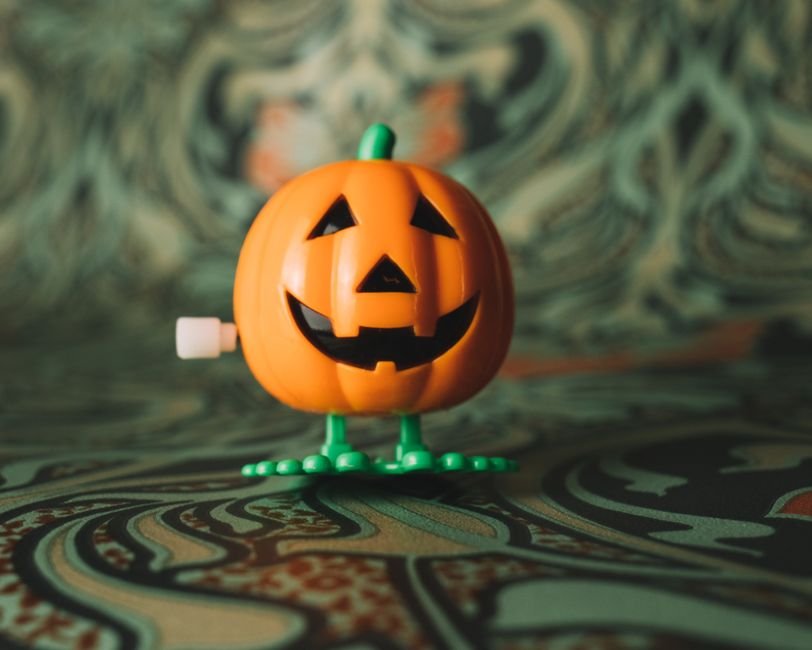
- Early Halloween (mid-September): Candy, costumes, decorative props, and themed tableware. Halloween products have a 68% average margin for dollar stores—higher than almost any other category.
Q4 (October–December): Halloween, Thanksgiving & Christmas Rush
Q4 is the make-or-break quarter for dollar store profitability. Christmas alone can account for 22–28% of annual revenue in mature dollar store operations.
- Halloween (October): Final costume push, pumpkin carving kits, party supplies, and decorative lights. Sell-through should hit 85% by October 25.
- Thanksgiving (November, where observed): Tablecloths, serving platters, napkins, disposable dinnerware, and fall-themed decorations. This is a short window—stock 6 weeks before.
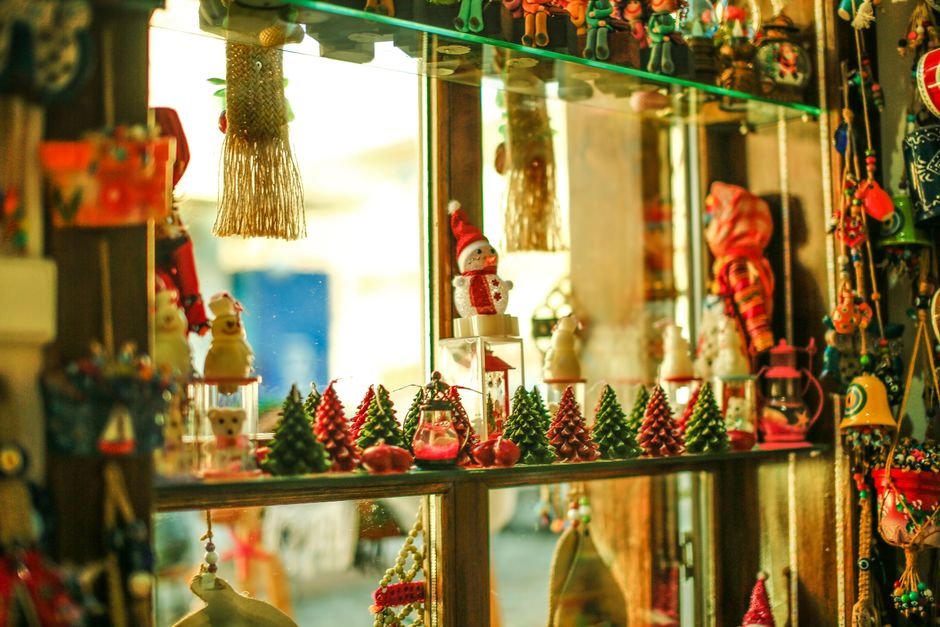
- Christmas (November–December): Ornaments, wrapping paper, gift bags, stocking stuffers, holiday lights, artificial trees, baking supplies, and gift sets. Order all Christmas inventory by early September from your bulk order supplier.
- New Year’s Eve (late December): Party hats, noisemakers, champagne flutes, and countdown decorations.
The four peak seasonal windows generate 58% of annual revenue for well-planned dollar stores.
Seasonal Product Performance Data: What Sells Best When?
The following table shows average sell-through rates, margin ranges, and recommended shelf space allocation for the six major seasonal categories across 15 countries where AwwwStore supplies. These figures are based on aggregated data from 3,000+ partner stores.
| Seasonal Category | Peak Months | Avg. Sell-Through Rate | Avg. Margin | Recommended Shelf Space % |
|---|---|---|---|---|
| Valentine’s Day | Feb 1–14 | 74% | 55–65% | 8–10% |
| Easter / Spring | Mar–Apr | 72% | 50–60% | 8–12% |
| Back-to-School | Jul–Aug | 85% | 40–55% | 18–22% |
| Halloween | Sep–Oct | 78% | 60–70% | 12–15% |
| Christmas / Holiday | Nov–Dec | 82% | 50–65% | 22–28% |
| New Year’s Eve | Dec 26–31 | 65% | 55–60% | 4–6% |
Data sourced from AwwwStore partner store performance reports (2023–2024). Individual results vary by market and store size.
When Should You Place Your Wholesale Orders for Each Season?
Timing is everything in whole store setup and seasonal inventory management. If you order too late, you miss the peak; if you order too early, you tie up capital in storage. Use these ordering windows based on typical ocean freight from Yiwu (30–40 days) plus processing time:
- Valentine’s Day products: Order by November 15 (90 days before peak).
- Easter items: Order by January 15 (75 days before peak).
- Back-to-school: Order by May 1 (90 days before peak).
- Halloween: Order by July 1 (90 days before peak).
- Christmas: Order by August 15 (105 days before peak). This is the longest lead time because of global container demand.
For custom or branded seasonal packaging, add 15–20 days to these timelines. AwwwStore offers consolidated shipping options that reduce per-unit freight costs by up to 30% for seasonal bulk orders. Contact us for a free consultation on your ideal order schedule.
Ordering Christmas inventory by August 15 ensures 95% on-time arrival before November.
How to Adapt This Calendar for International Markets (India, Nepal, Sri Lanka, Latin America)
The seasonal calendar above is optimized for North American and European markets. If you operate in India, Nepal, Sri Lanka, or Latin America, shift the dates based on local holidays and climate patterns:
- India (INR 99 store): Major seasonal peaks include Diwali (Oct–Nov), Holi (Mar), Dussehra (Sep–Oct), and Back-to-School (Apr–May). Diwali alone drives 30% of annual revenue for Indian dollar stores. Order Diwali products by mid-July.
- Nepal (NPR 99 store): Dashain (Sep–Oct) and Tihar (Oct–Nov) are the biggest festivals. Stock puja supplies, sweets packaging, and decorative lights. Order by early June for Dashain.
- Sri Lanka (LKR 99 store): Sinhala and Tamil New Year (April) is the largest seasonal event. Focus on kitchenware, cleaning supplies, and gift items. Order by early February.
- Latin America: Key seasons include Día de los Muertos (Oct–Nov), Christmas (Dec), Back-to-School (Jan–Feb), and Carnival (Feb–Mar). Order Christmas items by August and Día de los Muertos supplies by July.
For all these markets, the core principle remains the same: identify your top 3 seasonal peaks, work backward 75–90 days for ordering, and allocate 20–30% of shelf space to seasonal products during those windows.
Need the Right Products for Your Store?
Download our catalog of 200 best-selling dollar store products — with wholesale prices from $0.10, MOQ as low as 100 pieces, and profit margins up to 300%.
Browse Product Catalog →Common Mistakes Dollar Store Owners Make with Seasonal Planning
- Ordering too late: 43% of dollar store owners place seasonal orders less than 60 days before the event, resulting in 20–30% of inventory arriving after the peak.
- Over-ordering low-margin items: Candy and paper goods have thin margins (25–35%). Focus seasonal spend on higher-margin categories like décor, costumes, and party supplies (55–70% margin).
- Ignoring regional climate: Selling winter gloves in a tropical market or beach toys in a landlocked region is a common error. Match seasonal products to your local climate, not the global calendar.
- Failing to plan for post-season clearance: Build a 15–20% markdown budget into every seasonal order so you can clear items within 2 weeks of the holiday ending.
- Not using data from previous years: If you tracked sell-through rates last Christmas, use those numbers to adjust this year’s order quantities by ±10–15%.
Frequently Asked Questions
What is the best-selling season for dollar stores?
Christmas (October–December) is the highest-revenue season, accounting for 22–28% of annual sales for most dollar stores. Back-to-school is second at 14–18% of annual revenue.
How far in advance should I order seasonal products from Yiwu?
Order 75–90 days before the peak of each season for standard products, and 90–110 days for custom or branded items. This accounts for 30–40 days of ocean freight plus production and processing time.
What percentage of my store should be seasonal products?
During peak seasonal windows, allocate 22–28% of shelf space to holiday items. During off-peak months, reduce seasonal space to 8–12% and focus on staples and everyday essentials.
Can I use the same seasonal calendar for markets in India or Latin America?
Yes, with adjustments. Shift the calendar to align with local festivals such as Diwali (India), Dashain (Nepal), or Día de los Muertos (Latin America). The 75–90 day ordering lead time remains the same.
How do I avoid leftover seasonal inventory?
Order conservatively in your first year (10–15% less than you estimate), plan a post-season markdown strategy before ordering, and use your product catalog to source items that can transition between seasons, such as neutral-colored tableware and storage bins.
Ready to Build Your Seasonal Product Calendar with Expert Sourcing?
AwwwStore supplies 3,000+ dollar stores in 20+ countries with seasonal products from our Yiwu headquarters. Get a free, no-obligation consultation with our sourcing team to plan your next 12 months of inventory. We help you choose the right products, quantities, and shipping timelines for your market.
Request a Free Seasonal Sourcing PlanReady to Source Products for Your Dollar Store?
Get a free consultation and custom product plan tailored to your market.
Get Free Quote