📖 8 min read
Tableware is one of the most reliable product categories for Sri Lanka’s LKR 99 stores. Plates, bowls, cups, and cutlery are household essentials that break, chip, and wear out with daily use, creating a steady replacement cycle that keeps customers coming back. By sourcing tableware wholesale from China’s Yiwu manufacturing hub, store owners can offer attractive, durable pieces at the LKR 99 price point while maintaining margins that make the business sustainable.
- Tableware is a breakage-driven replacement category, ensuring consistent repeat purchases throughout the year.
- Melamine plates and stainless steel cups are the top performers in Sri Lankan LKR 99 stores due to their durability and visual appeal.
- Wholesale prices from Yiwu range from $0.08 to $0.65 per piece, supporting profit margins of 55-200% at LKR 99.
- Floral and geometric patterns in warm tones resonate strongly with Sri Lankan consumers.
- Festival seasons and wedding periods drive bulk purchases, with customers buying full sets of 6-12 pieces.
Why Tableware Sells Well in Sri Lanka LKR 99 Stores
Sri Lankan dining culture revolves around shared family meals. Breakfast, lunch, and dinner are typically eaten at home with the full family gathered around the table, which means tableware sees heavy daily use. Rice and curry — the national staple — is served across multiple dishes, with each curry requiring its own bowl or serving plate. A typical Sri Lankan meal uses more individual pieces of tableware than many Western meals, accelerating wear and replacement cycles.
The cultural importance of hospitality also drives demand. Sri Lankan households are known for welcoming guests generously, and having a presentable set of tableware for visitors is a matter of pride. Many families maintain a separate “good” set for guests, creating demand for affordable but attractive options. When a customer can buy a beautiful melamine plate for just LKR 99, they often purchase an entire set of six or more in a single visit. This is the kind of volume opportunity that makes tableware a cornerstone category for any LKR 99 store in Sri Lanka.
Breakage is the other consistent demand driver. Ceramic and glass tableware inevitably chips and cracks, especially in busy households with children. Rather than investing in expensive replacement pieces from department stores, Sri Lankan consumers increasingly turn to LKR 99 stores for affordable alternatives. Melamine and durable plastic options are especially popular with young families because they resist breakage while still looking attractive on the table.
Top 8 Tableware Products to Stock
The following products represent current best sellers for value retail in Sri Lanka. All wholesale prices are FOB Yiwu, and margins are calculated against the LKR 99 retail price of approximately $0.30 USD.
| Product | Wholesale Price (USD) | MOQ | Profit Margin |
|---|---|---|---|
| Melamine Dinner Plate (9 inch, floral pattern) | $0.16 | 200 pcs | 105% |
| Stainless Steel Drinking Cup (300 ml) | $0.20 | 300 pcs | 85% |
| Melamine Rice Bowl (5 inch, solid color) | $0.10 | 300 pcs | 200% |
| Stainless Steel Spoon & Fork Set (2 pcs) | $0.14 | 500 pcs | 130% |
| Glass Tumbler (250 ml, tempered) | $0.12 | 200 pcs | 165% |
| Melamine Oval Serving Platter (12 inch) | $0.35 | 150 pcs | 60% |
| Ceramic Tea Cup with Handle (200 ml) | $0.22 | 200 pcs | 80% |
| Plastic Divided Plate (3-section, kids) | $0.08 | 500 pcs | 200% |
Melamine rice bowls and plastic divided plates deliver the strongest margins due to their ultra-low production costs. These lightweight items also keep shipping costs minimal — you can fit thousands in a single carton. The stainless steel cups are particularly popular in Sri Lanka because they are virtually indestructible and keep drinks cooler in the tropical heat. Ceramic tea cups cater to Sri Lanka’s deep tea-drinking culture, where Ceylon tea is consumed multiple times daily in every household.
How to Source These Products from China
Tableware sourcing from China is centered in two key regions: Yiwu for melamine and plastic products, and Chaozhou (Guangdong Province) for ceramics. If you are sourcing a mixed tableware range, a Yiwu-based agent can consolidate products from both regions into a single shipment, simplifying logistics considerably. Our wholesale sourcing service handles this consolidation for Sri Lankan store owners.
Quality standards matter enormously for tableware. Melamine products should be made from 100% melamine resin, not a melamine-urea blend, which is cheaper but cracks easily and is not food-safe at high temperatures. Ask your supplier for SGS or Bureau Veritas test reports confirming the material grade. For stainless steel cutlery and cups, specify 18/8 or 18/10 stainless steel — these grades resist corrosion and maintain their shine far longer than lower-grade alternatives.
Design selection is where many first-time importers make costly mistakes. What sells in the Chinese domestic market does not necessarily appeal to Sri Lankan consumers. Floral patterns with warm color palettes — reds, oranges, deep blues — tend to perform best. Avoid overly minimalist Scandinavian-style designs, which have limited appeal in Sri Lanka’s more expressive visual culture. Request design catalogs from your supplier and, if possible, test 2-3 different patterns in a small initial order before committing to larger volumes. Reach out to our team for design guidance tailored to the Sri Lankan market.
Seasonal Trends and Best-Selling Periods
Tableware demand in Sri Lanka peaks dramatically during Sinhala and Tamil New Year (April 13-14). Buying new tableware for the New Year table is a deeply rooted tradition, and customers begin shopping weeks in advance. This single period can account for 25-30% of annual tableware sales for a well-stocked LKR 99 store. To capture this demand, place your China orders no later than early February.
Vesak (May), Deepavali (October-November), and Christmas (December) each generate secondary sales peaks as families prepare for festive entertaining. Wedding season, running from June through September in most parts of Sri Lanka, drives bulk purchases as households prepare to host guests and as wedding gift-givers look for affordable but presentable options. A set of six matching plates wrapped in cellophane with a ribbon makes a perfectly acceptable wedding gift in many communities — and costs the buyer under LKR 600.
Display and Merchandising Tips
Tableware is one of the most visually appealing categories in a LKR 99 store, and your display should leverage this. Set up a mock dining table near the store entrance showing a complete place setting — plate, bowl, cup, and cutlery — so customers can envision the full set in their own home. This aspirational display technique is used by major retailers worldwide, and it works just as effectively in a value store format.
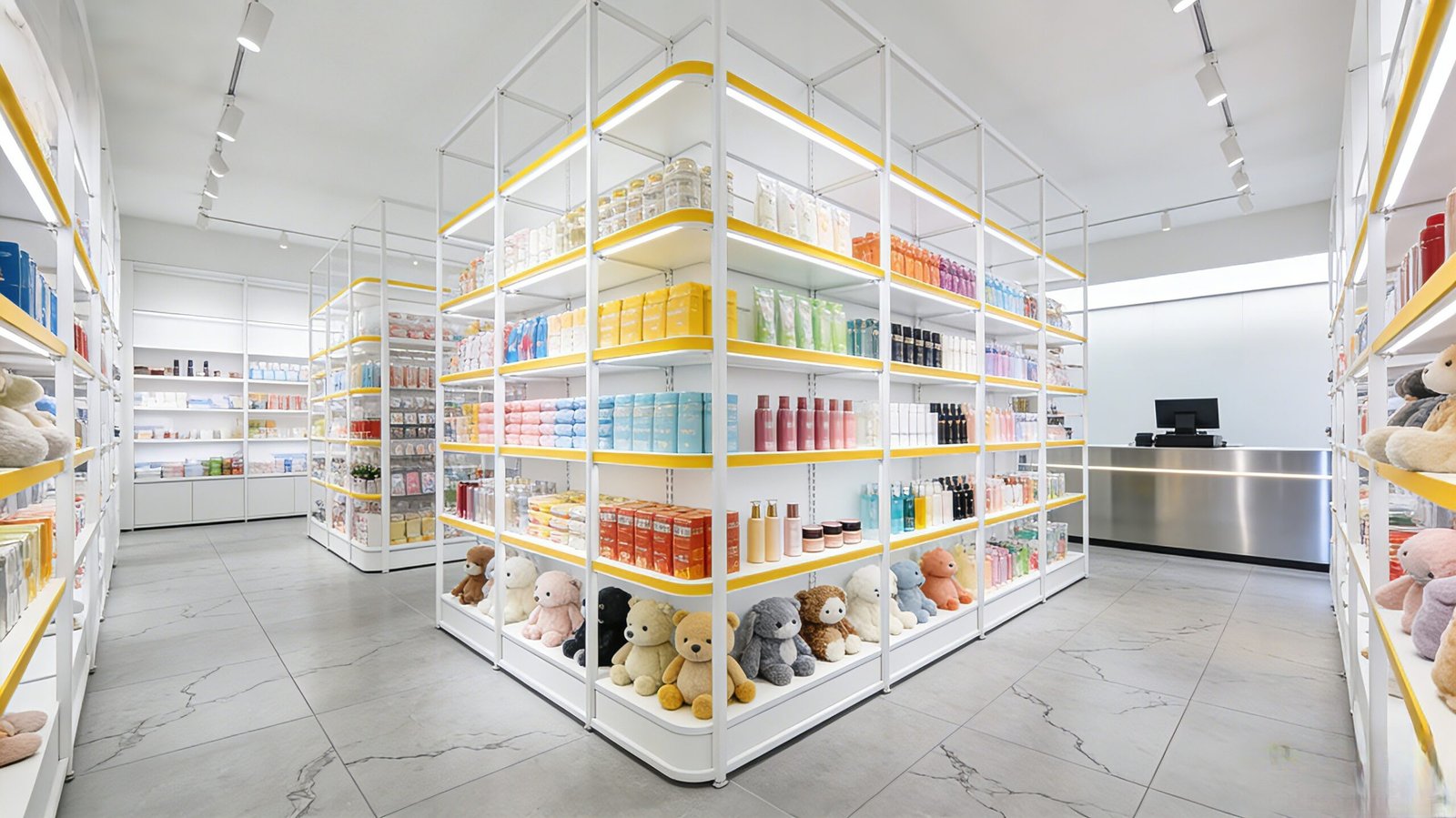
For shelf displays, group tableware by collection rather than by type. Place matching plates, bowls, and serving dishes together so customers can easily build a coordinated set. Use shelf risers to create height variation, placing taller items like cups and tumblers at the back and flat items like plates at the front. Attach a simple sign reading “Complete Your Set — Mix & Match” to encourage multi-piece purchases. Keep backup stock accessible behind the display, as tableware moves quickly and empty shelves cost you sales. Visit our product catalog for the latest tableware collections available for wholesale.
Want a Guide for YOUR Country?
Get our free country-specific dollar store guide — covering local regulations, ideal product mix, shipping costs, and real market data for India, Nepal, Sri Lanka, Mexico, and more.
Get Your Country Guide →Frequently Asked Questions
What is the minimum order for tableware from China?
Minimum order quantities for tableware vary by material and supplier. Melamine plates and bowls typically start at 200-300 pieces per design, while ceramic items may have MOQs of 200 pieces per pattern. Stainless steel cutlery and cups often require 300-500 pieces per item. Most suppliers accept mixed orders across their product range, so you can order a variety of tableware styles and types in a single shipment as long as the total order value meets their minimum — usually $300-$600.
How long does shipping take from China to Sri Lanka?
Sea freight from Chinese ports (typically Ningbo or Yiwu’s inland port via truck to Ningbo) to Colombo takes 15-25 days. Tableware requires careful packing to prevent breakage during transit — insist on proper foam inserts and corner protection for ceramic items. After arrival at Colombo port, customs clearance takes 3-7 business days. Budget 4-6 weeks total from order placement to delivery at your store, with an extra week of buffer during peak shipping seasons.
Is melamine tableware safe for hot food?
High-quality melamine tableware made from 100% A5 melamine resin is safe for serving food at normal eating temperatures (below 70 degrees Celsius). It should not be used in microwaves or for cooking. For hot soups and curries that are served immediately after cooking, allow the food to cool slightly before plating on melamine. The material is BPA-free, dishwasher-safe, and approved by major international food safety authorities when manufactured to proper standards.
Ready to Stock Your Sri Lanka LKR 99 Store?
AwwwStore connects you directly with verified Yiwu suppliers. Get competitive wholesale prices and reliable shipping to Sri Lanka.
Get a Free Sourcing Quote📚 Recommended Reading

Neal is the founder of AwwwStore and a veteran of the Yiwu wholesale market with over 15 years of cross-border trade experience. He specializes in dollar store supply chain optimization and has helped launch 200+ stores across 30 countries.