📖 6 min read
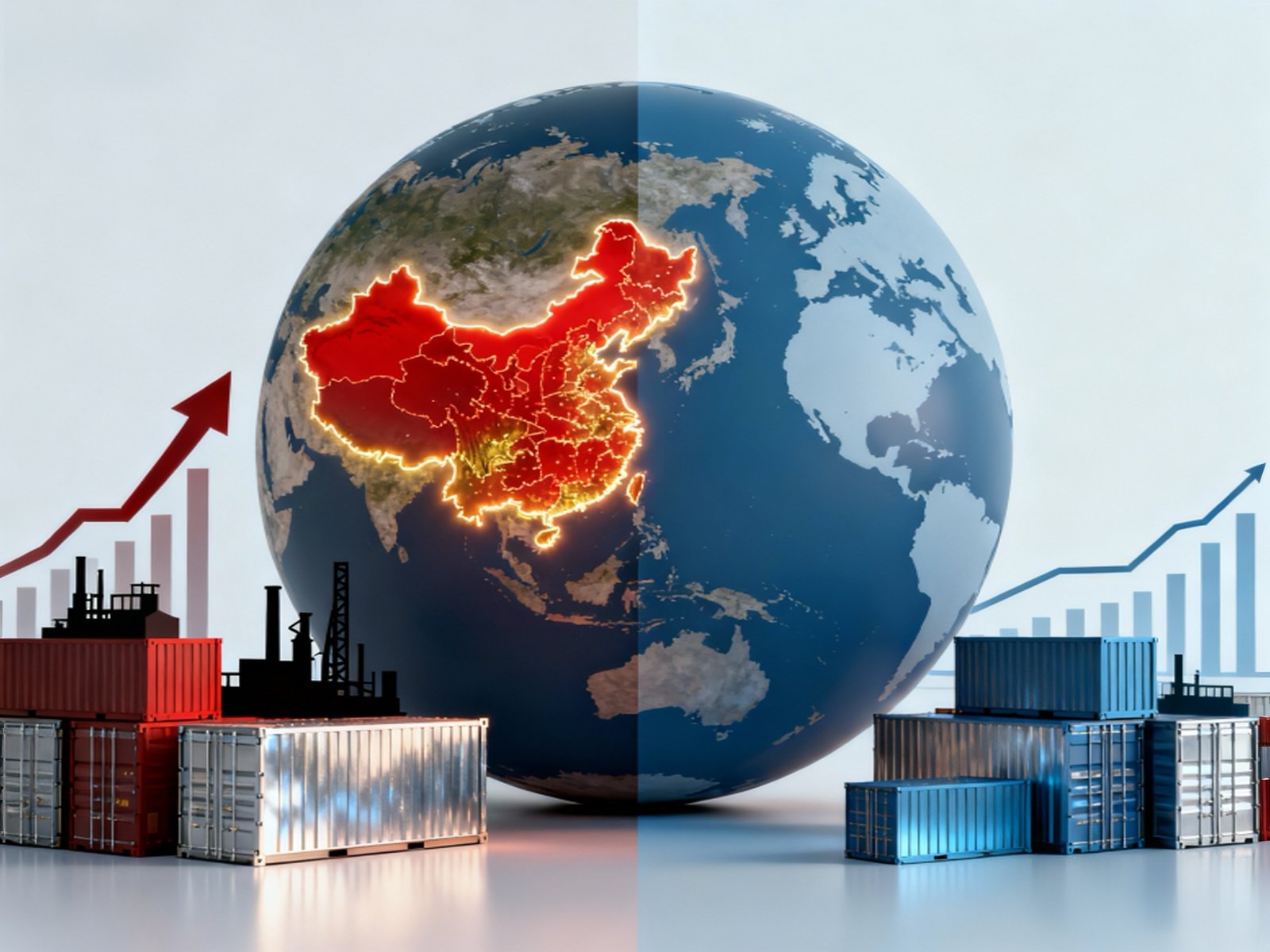
In 2025, global sourcing has more options than ever. Countries like Vietnam, India, and Mexico are growing as alternative suppliers for importers, yet China continues to dominate the wholesale market. For small business owners, dollar store operators, and retailers seeking competitive prices, diverse products, and reliable supply chains, China remains a top choice.
1. Unmatched Manufacturing Scale and Expertise
One of China’s biggest advantages is its massive manufacturing ecosystem. Factories in China can produce high volumes of goods across nearly every category — from household items, toys, and electronics to clothing and party supplies.
This scale allows importers to find exactly what they need while benefiting from economies of scale. Many factories have decades of experience exporting to international buyers, which means they are familiar with quality control, packaging standards, and shipment schedules. For small business owners, this translates to fewer production delays and better reliability, even for first-time importers.
2. Wide Product Variety and Customization
China’s suppliers offer one of the largest selections of products in the world. Whether you are sourcing home décor, novelty items, seasonal products, or small electronics, there is almost always a supplier ready to meet your needs.
In addition to variety, many factories provide customization options, such as private labeling, product design adjustments, or packaging modifications. This allows small businesses to differentiate themselves and create unique offerings, even when selling common items like toys, kitchen gadgets, or party supplies.
3. Competitive Costs and Optimized Logistics
Even with rising labor costs, China remains cost-effective due to efficient production systems and well-established logistics. Shipping infrastructure, such as major ports in Shenzhen, Shanghai, and Guangzhou, makes it easier to move products globally. Many suppliers also have long-standing experience with international documentation, customs requirements, and freight forwarding.
For small retailers and dollar store owners, this reduces risk and helps maintain predictable costs. By calculating the landed cost (product + shipping + tariffs), business owners can see that China often remains cheaper than other countries for high-volume goods.
4. Proven Reliability and Supplier Experience
Chinese suppliers have years of experience working with international buyers. They understand the importance of clear communication, quality assurance, and timely delivery. For businesses importing from China for the first time, this experience is invaluable.
Many suppliers are ready to work with smaller orders or trial shipments, especially in popular wholesale markets like Yiwu. For small businesses, this means you can test new products without committing to large minimum orders, helping you minimize risk while still accessing quality products.
5. Why Other Countries Are Becoming Alternatives
While China remains dominant, countries like Vietnam, India, and Mexico are attracting attention. Vietnam is gaining traction in textiles and apparel, India is strong in labor-intensive goods, and Mexico is appealing for North American buyers due to proximity and shorter shipping times.
However, many importers find that diversifying completely away from China is challenging. Supply chains, factory networks, and specialized components are still heavily concentrated in China. This makes China hard to replace entirely, especially for products that require large volumes or complex supply chains.
6. Tips for Small Business Importers in 2025
If you are importing for a dollar store or small retail shop, here are practical tips for sourcing from China:
- Check Minimum Order Quantities (MOQs): Some factories prefer large orders, but many now accept smaller batches for testing.
- Calculate Landed Costs: Include product price, shipping, customs, and taxes to get the true cost.
- Communicate Clearly: Use WeChat, email, or sourcing platforms to confirm product specifications and production timelines.
- Verify Quality: Request samples and perform inspections to ensure standards are met.
- Diversify Suppliers: Even if China is your main source, having backup suppliers in other countries can reduce risk.
- Stay Updated on Trade Policies: Tariffs, shipping costs, and regulations can change, so regular review is essential.
Conclusion
For small businesses and dollar store importers in 2025, China remains a top choice for sourcing products. Its combination of scale, product diversity, cost advantages, and experienced suppliers continues to make it an essential part of global sourcing strategies. While exploring alternatives like Vietnam, India, or Mexico can be beneficial, China’s infrastructure and proven supply chain reliability ensure it still makes sense for most importers to include it as a core sourcing destination.
By choosing the right suppliers, managing logistics effectively, and staying informed, your business can confidently import from China and remain competitive in today’s market.
Keywords: China wholesale, import from China 2025, sourcing from China, China manufacturing, dollar store imports, Yiwu products, small business importing
Links and Further Reading:
- “Sourcing from China vs. Other Countries: Pros and Cons” – MindenSourcing: https://mindensourcing.com/sourcing-from-china-vs-other-countries-pros-and-cons/
- “The Cost and Benefits of Sourcing from China” – Adventa: https://www.adventa.com/us/news/pros-and-cons-of-sourcing-products-from-china
- “China and the Future of Global Supply Chains” – Rhodium Group: https://rhg.com/research/china-and-the-future-of-global-supply-chains/
Frequently Asked Questions
What are the main alternatives to sourcing from China?
India, Vietnam, and Turkey are the most common alternatives for dollar store goods. India excels in textiles and stainless steel, Vietnam in footwear and simple plastics, and Turkey in home textiles. However, none match China’s breadth of product categories, supplier density, or infrastructure maturity for small-commodity wholesale.
How do current tariffs affect the cost of importing from China?
U.S. tariffs on Chinese goods range from 7.5% to 25% depending on the product category. Despite these added costs, China-sourced products often remain cheaper than alternatives because of lower base manufacturing costs, established logistics networks, and competitive supplier pricing driven by massive production scale.
Is product quality from China comparable to other sourcing countries?
Yes, when you work with vetted suppliers and conduct proper quality inspections. China’s manufacturing ecosystem includes factories at every quality tier — from budget to premium. The key is using third-party inspections, requesting samples before bulk orders, and partnering with experienced sourcing agents who know which factories deliver consistently.
Need the Right Products for Your Store?
Download our catalog of 200 best-selling dollar store products — with wholesale prices from $0.10, MOQ as low as 100 pieces, and profit margins up to 300%.
Browse Product Catalog →Source from China with Confidence
AwwwStore handles supplier vetting, quality inspections, and logistics so you get the best of China sourcing without the risks.
Get a Free Quote📚 Recommended Reading
Ready to Source Products for Your Dollar Store?
Get a free consultation and custom product plan tailored to your market.
Get Free Quote
Romy is a market research analyst at AwwwStore covering emerging dollar store markets in Latin America, Africa, and Southeast Asia. She creates data-driven guides to help entrepreneurs identify high-potential locations and product trends.