📖 5 min read
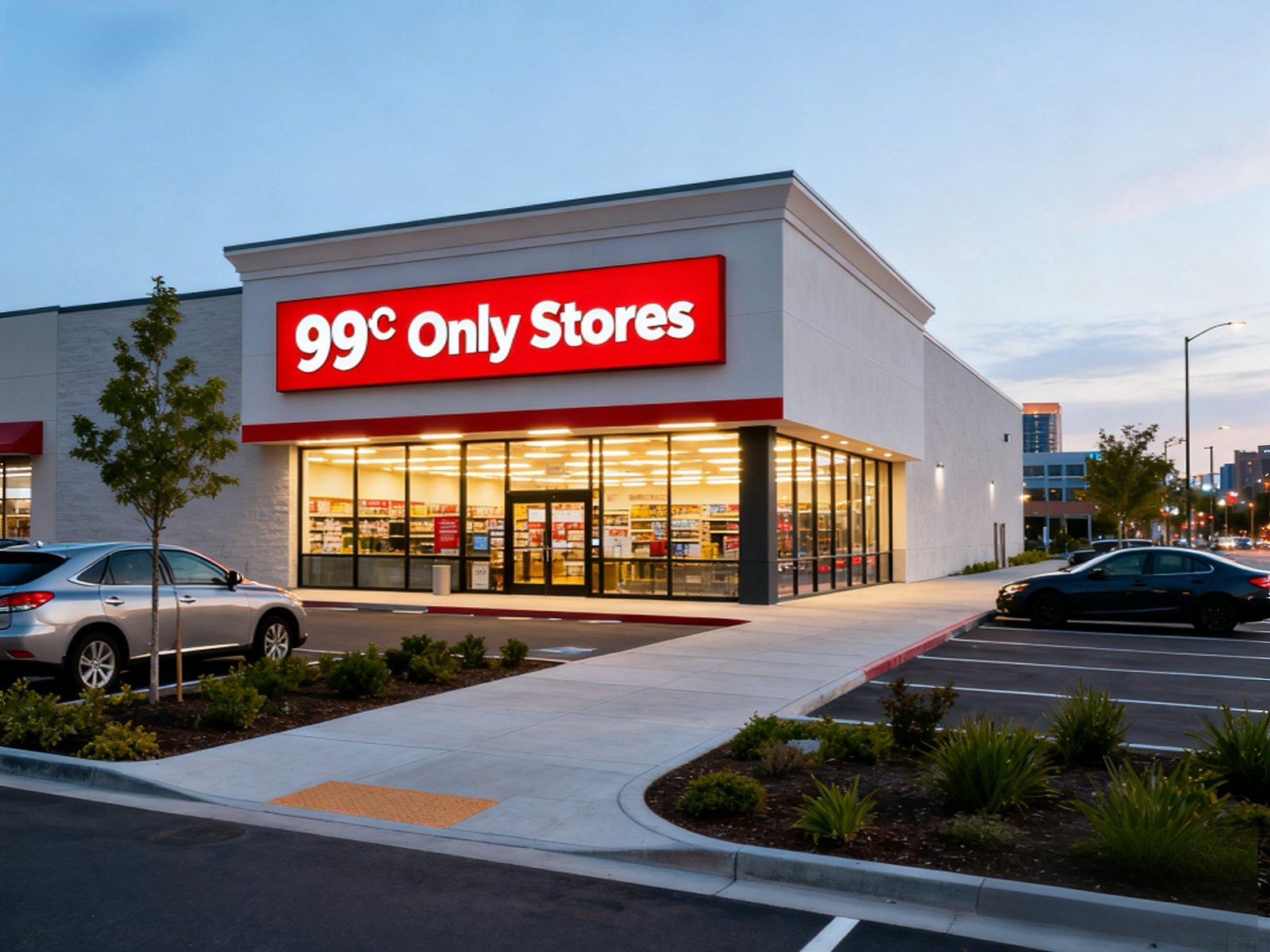
When you walk into a 99¢ Only Store, you might think it’s just another discount shop filled with low-priced household items and snacks. But behind those shelves lies one of the most fascinating success stories in American retail history—a story that proves how a small idea can grow into a nationwide empire.
The Humble Beginnings
The story began in 1969, when David Gold, a young entrepreneur from Los Angeles, noticed something interesting while working in his family’s liquor store. Customers were drawn to clearance bins marked with a single price. That simple observation sparked an idea that would later revolutionize retail: What if everything in a store sold for the same low price—99 cents?
In 1982, David Gold opened the very first 99¢ Only Store in Los Angeles, California. He didn’t know if it would succeed, but his vision was simple:
“Give customers more than they expect for less than they imagine.”
The response was overwhelming. On opening day, customers lined up around the block, excited to shop in a place where everything—from home goods to groceries—cost less than a dollar.
The Genius Behind the 99¢ Model
The 99¢ concept worked because it combined psychology and smart business. The pricing wasn’t random—people associate prices ending in “.99” with value and affordability. But the success wasn’t only about the number; it was about efficiency and scale.
David Gold sourced products in bulk, cut out middlemen, and focused on high turnover. The company built direct relationships with manufacturers and liquidators, allowing them to buy excess inventory and overstock items at extremely low prices.
This allowed 99¢ Only Stores to sell brand-name products—sometimes the same ones found in supermarkets—at a fraction of the cost.
From One Store to a Retail Empire
By the 1990s, the business had grown rapidly. The model was so successful that the company expanded across California and into neighboring states. In 1996, 99¢ Only Stores went public on the New York Stock Exchange, a major milestone that validated the dollar store business model.
The 2000s brought even more growth. At its peak, the company operated over 390 stores across California, Texas, Arizona, and Nevada, employing thousands of workers and generating billions in annual revenue.
Challenges and Transformation
But as with many retail empires, growth came with challenges. Rising costs, competition from other dollar chains like Dollar Tree and Dollar General, and economic shifts made it harder to maintain the “everything under a dollar” promise.
In 2012, 99¢ Only Stores was sold to a private investment group for $1.6 billion, marking a new chapter. The company began modernizing stores, adding fresh produce, and even testing prices slightly above 99¢ to stay competitive.
Despite these changes, the brand’s essence remained: value, accessibility, and surprise savings.
Where They Are Today (2025 Update)
As of 2025, 99¢ Only Stores continues to operate hundreds of locations across the U.S. West and Southwest. While many products now cost slightly more than 99 cents, the brand still represents affordable quality for working families.
Their success story continues to inspire small entrepreneurs around the world—especially those exploring the idea of opening their own dollar stores or sourcing low-cost products directly from China.
The Lesson for Future Entrepreneurs
The story of 99¢ Only Stores isn’t just about selling cheap products. It’s about innovation, customer understanding, and smart sourcing.
David Gold took a simple insight—people love a good deal—and turned it into a scalable business model that changed the face of American retail.
For aspiring entrepreneurs, the key takeaway is this:
You don’t need to reinvent the wheel. You just need to find a way to make everyday life a little easier—and a lot more affordable.
How AwwwStore Helps You Build Your Own $1 Store Dream
At AwwwStore, we believe anyone can turn a small idea into a big business—just like David Gold did.
We help entrepreneurs source affordable, high-quality products directly from China, connect with reliable suppliers, and even learn how to open and manage their own dollar stores—online or offline.
Whether you want to start a physical $1 store in your city or launch an e-commerce version, our goal is to make it simple, smart, and profitable.
👉 Visit AwwwStore.com to explore sourcing opportunities, business tips, and step-by-step guides to building your own discount retail success story.
In the end, every big business starts as a small idea.
The question is — will you be the next one to turn your 99-cent dream into a million-dollar success?
Need the Right Products for Your Store?
Download our catalog of 200 best-selling dollar store products — with wholesale prices from $0.10, MOQ as low as 100 pieces, and profit margins up to 300%.
Browse Product Catalog →Frequently Asked Questions
What happened to 99 Cents Only Stores?
99 Cents Only Stores closed all 371 locations in 2024 after years of financial pressure from rising costs and stiff competition from Dollar Tree and Walmart. The brand struggled to maintain its single-price-point model as wholesale costs and inflation outpaced its rigid pricing structure.
What lessons can new dollar store owners learn from this closure?
The key takeaway is pricing flexibility. Locking into a single price point limits your ability to absorb cost increases. Successful modern dollar stores use tiered pricing — $1, $3, $5 — which preserves the value perception while giving enough margin room to weather supply chain fluctuations.
Is a single-price-point dollar store still viable today?
It is extremely difficult. Inflation, rising freight costs, and tariff volatility make a strict $1-only model unsustainable for most categories. A multi-tier approach lets you keep entry-level products at $1 for traffic while earning healthy margins on $3–$5 items.
Build a Resilient Dollar Store Business
AwwwStore helps you source products across every price tier so your store stays profitable no matter what the market does.
Get a Free QuoteReady to Source Products for Your Dollar Store?
Get a free consultation and custom product plan tailored to your market.
Get Free Quote
Romy is a market research analyst at AwwwStore covering emerging dollar store markets in Latin America, Africa, and Southeast Asia. She creates data-driven guides to help entrepreneurs identify high-potential locations and product trends.