

📖 8 min read
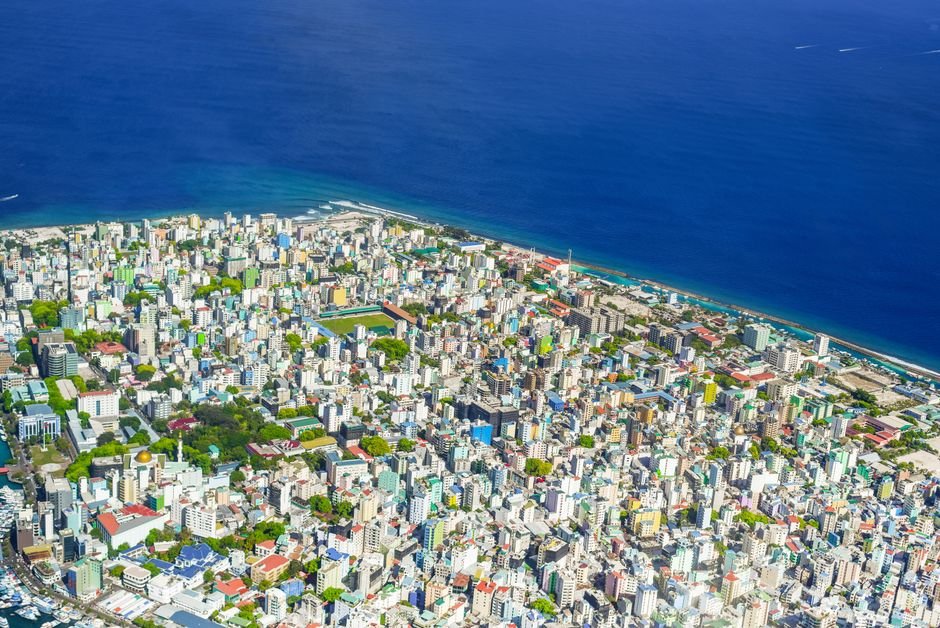
Maldives is a small island economy that imports nearly all of its consumer goods, and Male’ is the country’s commercial and wholesale center where retailers stock everything from household goods to electronics. For a wholesale supplier serving the Maldives, the opportunity is straightforward: because almost nothing is manufactured locally, every dollar-store, value-retail shop, or resort-procurement buyer depends on imported goods — and sourcing them direct from Yiwu, China removes the middlemen in Sri Lanka, India, and the UAE who currently supply the islands. This guide covers how the Maldivian wholesale market works, what to source, and how to import direct from China.
- The Maldives imports nearly all consumer goods — there is effectively no local manufacturing base.
- Male’ is the commercial and wholesale center; retailers across the atolls buy through Male’ traders.
- Buying direct from Yiwu, China removes middlemen in Sri Lanka, India, and the UAE.
- Demand spans retail shops and the resort/hospitality procurement chain, which is the islands’ largest industry.
- Landed cost — product plus freight plus duty — decides whether imported goods stay profitable at your price point.
The Wholesale Landscape in Maldives
Maldives is a chain of atolls with a small resident population and a tourism economy that drives both hospitality procurement and the retail trade that supports residents. Wholesale and distribution are concentrated in Male’, where traders import goods and supply retailers across the atolls.
| Channel | What It Serves | Relevance to Suppliers |
|---|---|---|
| Male’ wholesale traders | Retail shops across the atolls | ★★★ Primary distribution channel |
| Retail & value-retail shops | Residents and local demand | ★★ Growing fixed-price segment |
| Resort & hospitality procurement | Hotels, restaurants, and staff supplies | ★★★ Largest economic sector |
| Online & small importers | Direct-to-consumer and niche goods | ★ Emerging channel |
Because the domestic market is small, consistent demand comes more from recurring orders than from large one-time volumes — which is exactly what a consolidated wholesale supplier is built for. See our Maldives supply guide for how sourcing works for Maldivian buyers.
What to Source for the Maldivian Market
Demand follows everyday essentials plus the hospitality sector:
- Kitchen & household: utensils, storage, cleaning tools, and home basics for residents and staff accommodation.
- Cleaning & hospitality supplies: towels, cloths, and cleaning lines relevant to the resort economy.
- Stationery & small goods: steady retail demand with modest seasonal peaks.
- Beauty & personal care: accessories and small cosmetics that turn over fast.
- Toys, gifts & seasonal items: impulse lines for retail and gifting.
Because space is limited on the islands, compact, fast-moving products with high turnover suit the market best.
How Importing to Maldives Works
Importing to Maldives follows a simple, well-trodden path — most consumer goods already arrive by sea or air:
- Define your assortment. List categories, quantities, and target retail prices in MVR.
- Request a landed-cost quotation. Product price plus freight plus estimated duty — the fair comparison against buying from Male’ traders.
- Approve samples. Order physical samples and verify material, finish, and packaging before bulk production.
- Place the order. Confirm quantities, payment schedule, and production timeline in writing.
- Inspect before shipment. A pre-shipment inspection catches defects before the goods leave China.
- Handle clearance. Your supplier provides the export documentation your Male’ customs broker needs.
Many Maldivian orders route through transshipment hubs — Sri Lanka’s Colombo is a common transit point, which is why our Sri Lanka wholesale market guide is a useful reference for how regional supply chains connect.
Male’ Traders vs. Sourcing Direct from China
Since almost everything in the Maldives is imported, the question is never whether to import — it is how many middlemen stand between you and the source.
| Factor | Buying from Male’ Traders | Direct from Yiwu, China |
|---|---|---|
| Unit price | Includes multiple import margins | Factory-direct, lower |
| Speed | Stock already on island | Weeks (production + freight) |
| Variety | Limited to what traders stock | Extremely broad, made-to-order |
| Minimum order | Flexible per trader | Higher per item, but consolidatable |
| Control | Little visibility of origin | Direct quality control and samples |
| Best for | Immediate small orders | Regular volume at lowest landed cost |
For a store or importer building recurring volume, direct sourcing from Yiwu typically delivers a meaningfully lower landed cost. Our guide to buying wholesale from China online walks through the full process, and understanding how MOQ works helps you size consolidated orders without overstocking a small island market.
Tips for Supplying the Maldivian Market
- Think in recurring orders. The market is small; plan scheduled replenishment rather than huge one-off shipments.
- Consolidate categories. Mixed shipments keep per-product minimums low and spread risk across lines.
- Plan for transit. Factor the transshipment route and clearance time into your stock planning.
- Watch landed cost per line. With limited shelf space, every slow mover ties up capital — track true margins per category.
- Cover the two demand pools. Retail demand and resort/hospitality procurement both matter in this economy.
Replenishment & Inventory for a Small Island Market
Island supply chains reward discipline. Because lead times run in weeks and the domestic market is small, the worst outcome is either an empty shelf or a container of slow movers. Track sell-through weekly, reorder winners in scheduled cycles rather than reacting, and keep a safety stock on your top 20% of SKUs — that is where most of your revenue comes from. For urgent gaps, buying from Male’ traders works as a stopgap, but it costs more per unit, so it should never become your default. A planned replenishment rhythm, with bulk China orders arriving on schedule, keeps both cost and stock levels under control.
Common Mistakes When Sourcing for the Maldives
- Over-ordering for a small market. One container of the wrong mix ties up capital for months — start consolidated and test demand before scaling.
- Ignoring the freight route. Transshipment hubs and clearance time add weeks; factor the full route into your stock planning.
- Chasing the lowest price only. The cheapest quote often skips export-ready packaging or consistent quality — compare landed cost.
- Skipping samples. Approve physical samples before bulk orders; photos hide material and packaging problems.
- Weak written specs. Material, size, color, and packing quantity must be documented or bulk goods drift from the sample.
Serving Retail vs. Hospitality Demand
The Maldivian market has two distinct demand pools. Retail demand — from value-retail shops and general stores serving residents across the atolls — rewards everyday essentials and steady replenishment. Hospitality demand — from resorts, restaurants, and staff accommodation — is the islands’ largest economic engine and buys in different rhythms, with towels, cleaning lines, and consumables in recurring volume. Suppliers who understand both pools can build a more resilient order book: when one slows, the other tends to carry the volume. Ask buyers which pool they serve so the assortment and pack sizes match reality.
Need the Right Products for Your Store?
Download our catalog of 200 best-selling dollar store products — with wholesale prices from $0.10, MOQ as low as 100 pieces, and profit margins up to 300%.
Browse Product Catalog →Frequently Asked Questions
Where do businesses in Maldives buy wholesale goods?
Wholesale and distribution are concentrated in Male’, where traders import goods and supply retailers across the atolls. A large share of the islands’ consumer goods arrives from China, Sri Lanka, India, and the UAE.
Is it cheaper to import direct from China to Maldives?
For recurring volume, importing direct from Yiwu, China is typically cheaper on a landed-cost basis because it removes the middlemen who currently supply Male’ traders. Speed favors local stock; cost favors direct sourcing.
How do I import wholesale goods to Maldives?
Work with a supplier who handles export documentation, quality inspection, and shipping, then clear customs in Male’. Many orders route through transshipment hubs such as Colombo, so confirm transit times when planning replenishment.
Can AwwwStore supply my Maldives business from China?
Yes. AwwwStore sources from Yiwu and ships to the Maldives, handling product selection, quality inspection, and documentation. See our Maldives supply guide or request a tailored buying plan.
What products sell best in the Maldives?
Everyday essentials — kitchen, household, cleaning, personal care, and small gifts — perform well, alongside hospitality-related lines. Compact, fast-moving products suit the limited space of an island market.
How long does shipping from China to the Maldives take?
Transit depends on the route — shipments often pass through transshipment hubs such as Colombo before reaching Male’, so allow for the full route plus customs clearance. Confirm current transit times when planning replenishment.
What is the minimum order for wholesale sourcing to the Maldives?
Minimums vary by supplier and product. A consolidated mixed order lets you start with a broad assortment at a manageable total investment, then scale quantities as categories prove themselves. Confirm current minimums and pricing before committing.
Source Your Maldives Business from Yiwu
Compare Male’ trader prices against factory-direct sourcing from China. Tell us your categories and volume, and we will prepare a landed-cost quotation for the Maldives.
Get a Free QuoteReady to Source Products for Your Dollar Store?
Get a free consultation and custom product plan tailored to your market.
Get Free Quote